
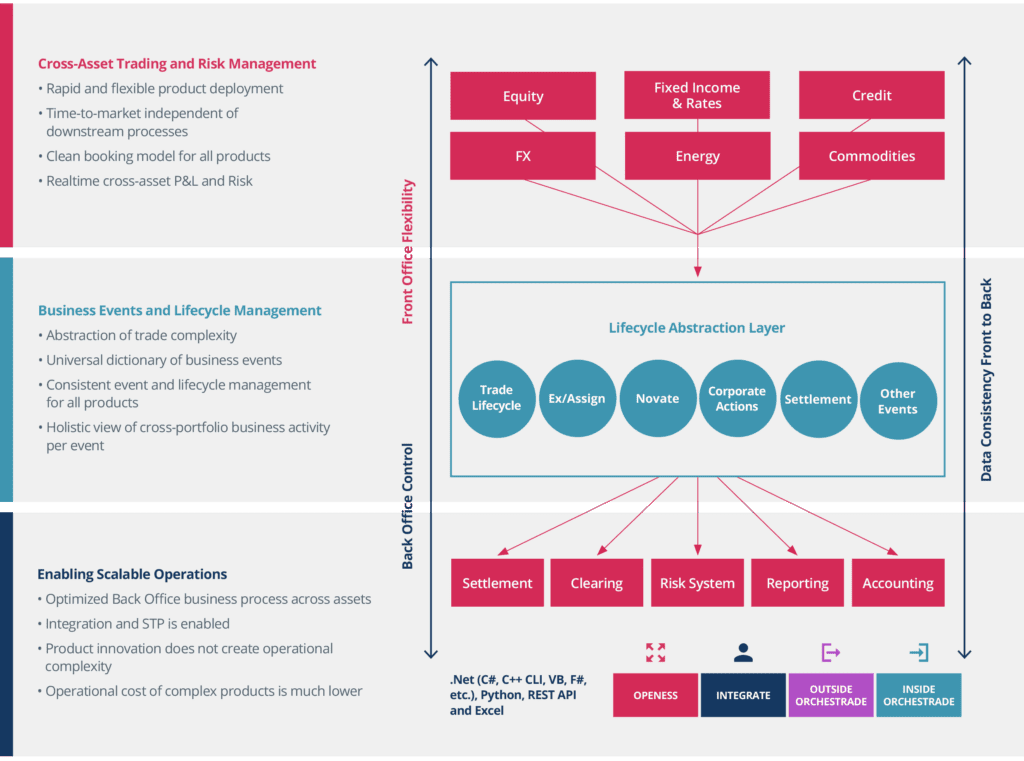
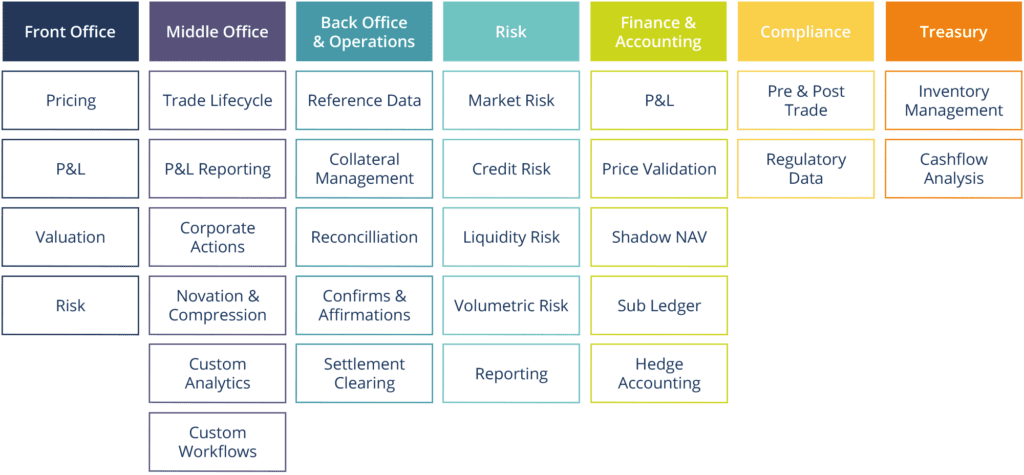
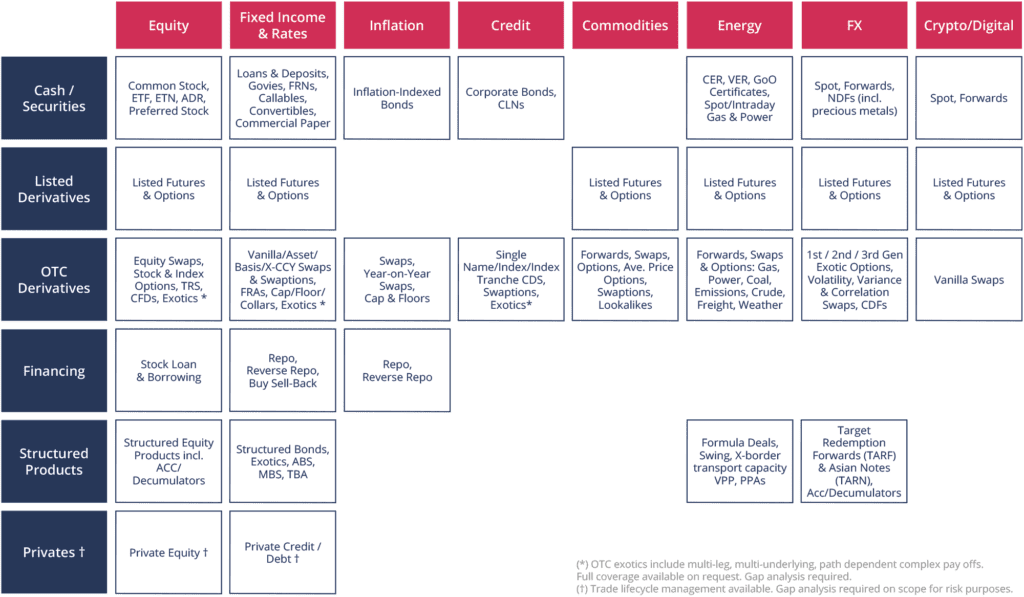

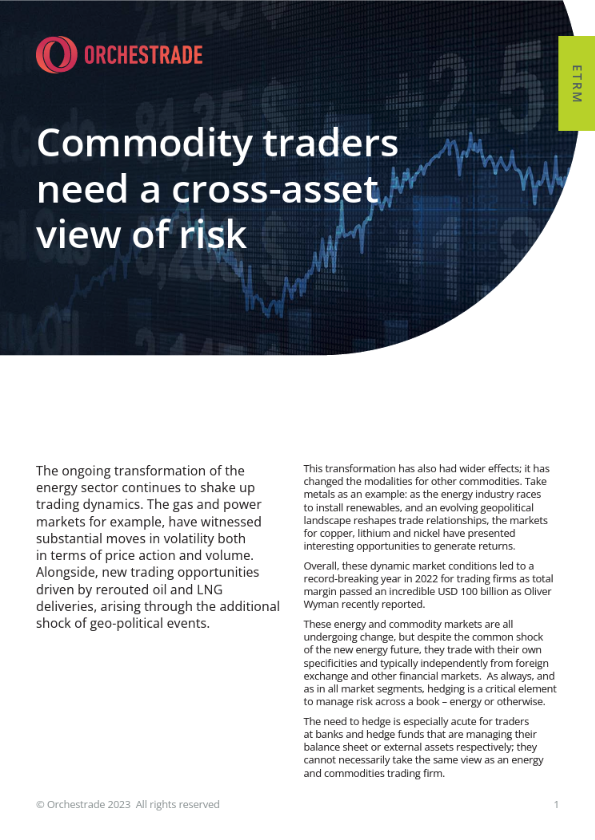




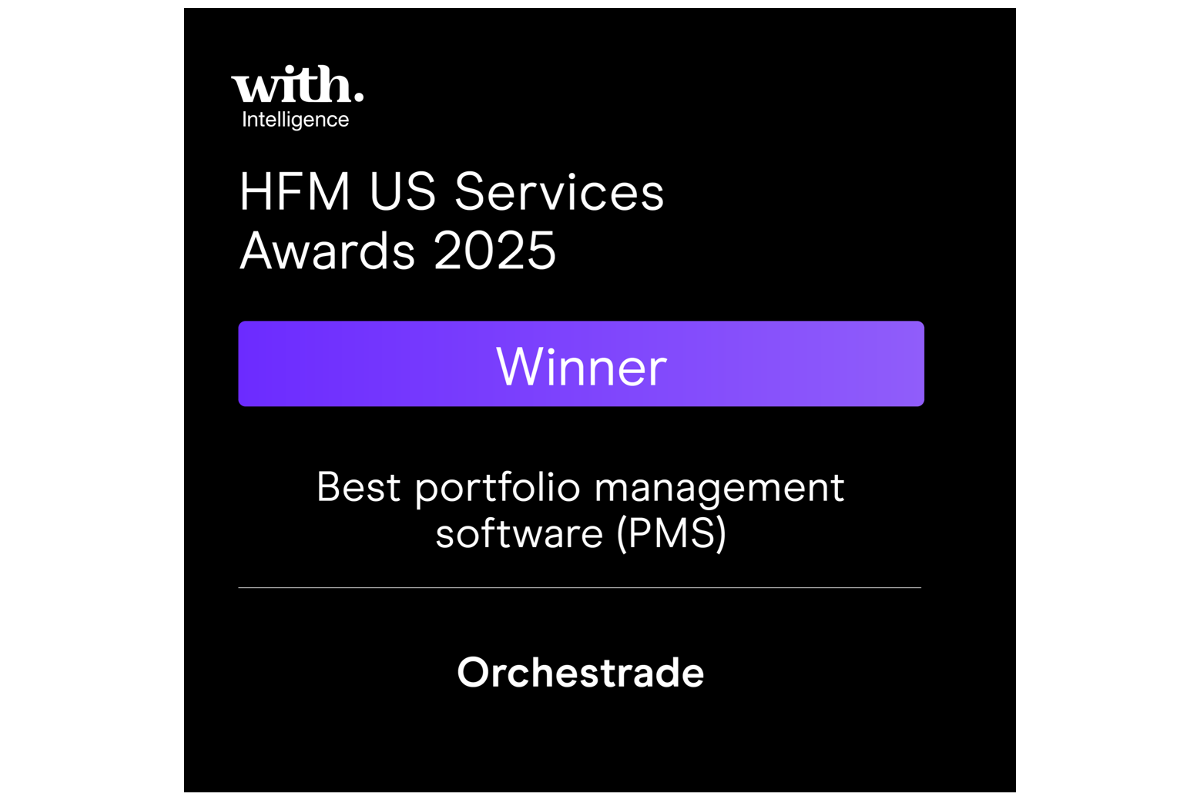

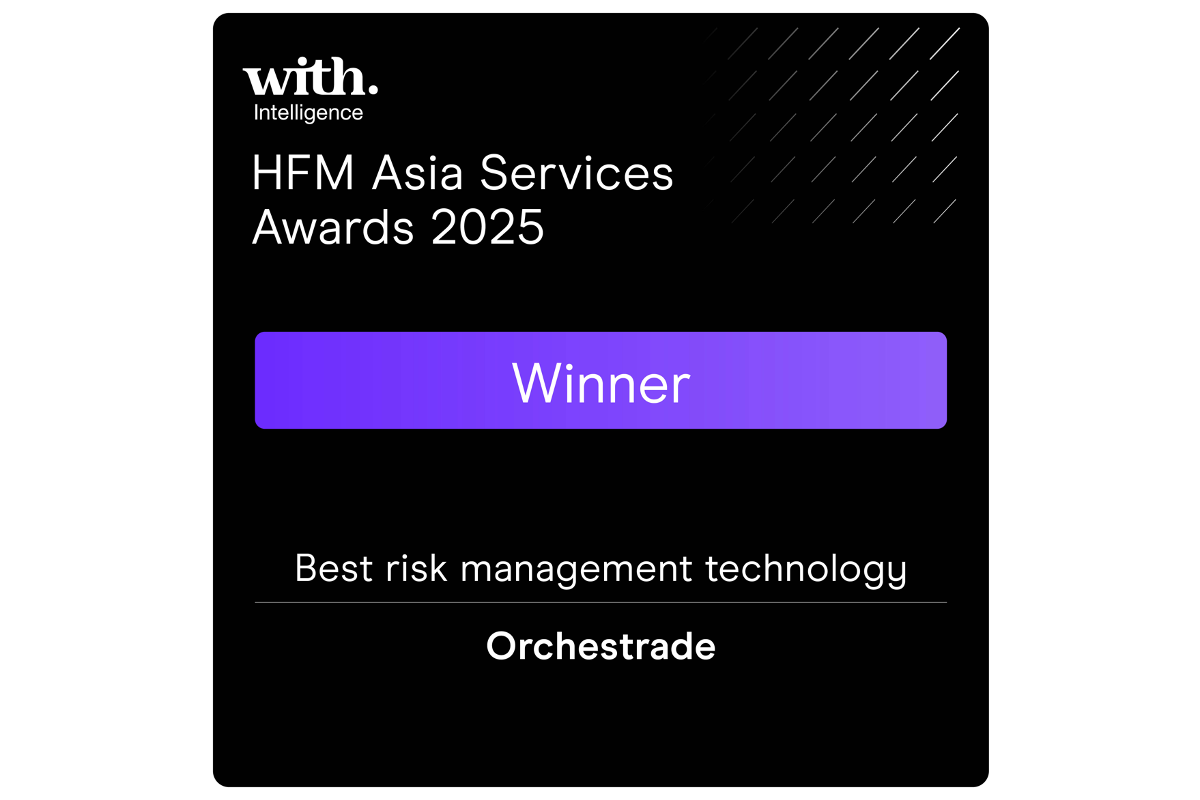
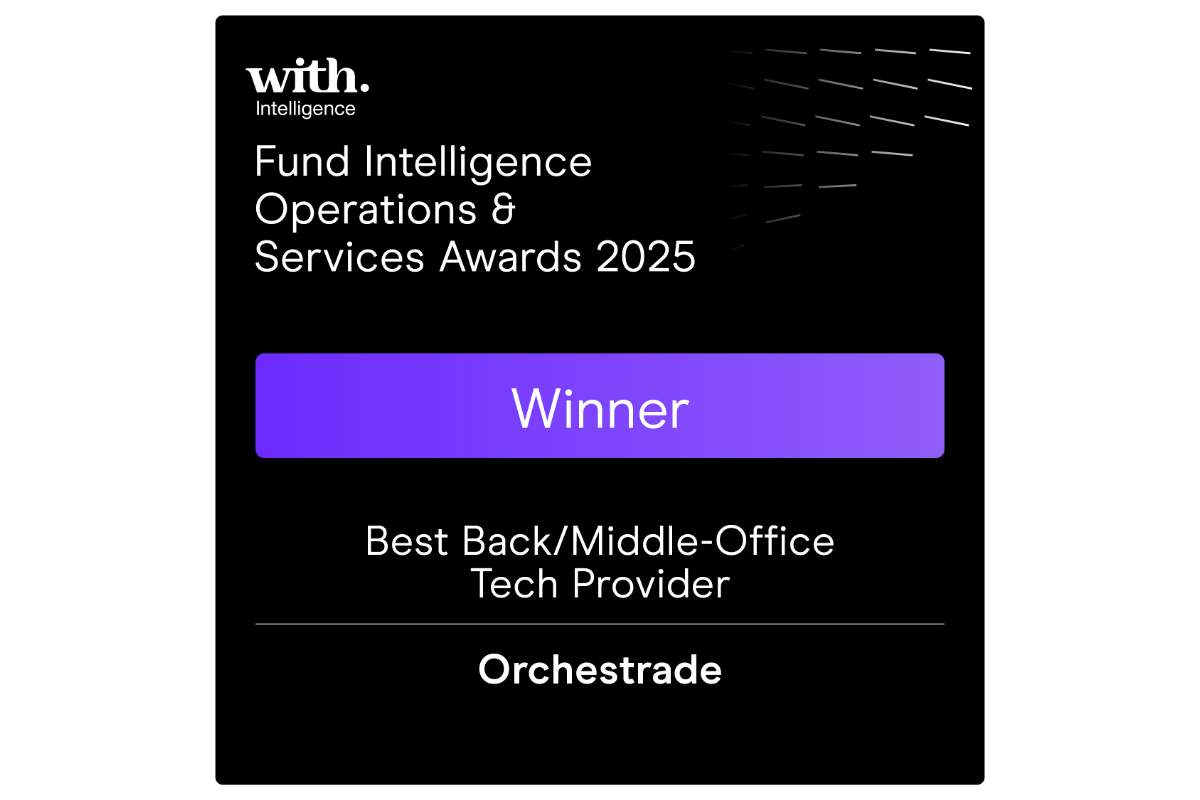

Orchestrade is cross-asset by design and offers unrivalled out-of-the-box capabilities with a comprehensive business process library, a range of best-practice workflow configurations and an extensive collection of market standard APIs, all of which enable rapid deployment and a refreshingly short time to market.
Hedge funds have distinct needs:
Orchestrade delivers:
Click a + below to discover more
Users can slice and dice trading activity by fund, strategy, trader, sector, geography, currency and many other factors. Adjustments to the P&L can be explained through identifying movements in rates, currency shifts, changes in equity markets and so on.
A genuine cross-asset data model facilitates rapid onboarding of new trading strategies, markets, asset classes, instruments, portfolio managers, and risk-takers. By eliminating data siloes and ensuring consistent data representation across asset classes, users can quickly integrate new components. Workflows can be designed and deployed in a no-code GUI – again accelerating middle and back office operations.
Orchestrade supports a multi-curve framework, allowing clients to utilize (if required) separate curves, models and pricers for different stakeholders within the same organization. For example, front-office traders can work with one set of curves, while enterprise risk teams and senior management can operate using separate, tailored curves – all within a single unified platform.
With Orchestrade’s platform, our clients have the freedom to choose pricing & risk models, analytics and data that best suits their needs. They have the option to leverage Orchestrade’s proprietary models, integrate third-party vendor solutions or seamlessly incorporate their own proprietary models and data. This unparalleled flexibility leads to a platform that not only solves the current challenges of their existing solution, but also future-proofs their business as they grow, evolve and react to market opportunities.
We don’t believe in limiting how our clients’ source and access liquidity; Orchestrade is a hub-and-spoke architecture, providing seamless connectivity to various Execution Management Systems (EMS), Order Management Systems (OMS), bank platforms and other sources of liquidity. This open architecture empowers managers to access the best liquidity from multiple sources, streamlining trading operations and maximizing efficiency.
Most portfolio and risk management systems are either designed as one-size-fits-all solutions or have evolved from single asset data models (for example, equities or fixed income). Whilst these out-of-the-box setups are initially appealing, certainly from a cost efficiency perspective, they quickly become inadequate as managers grow and look to diversify their strategies, instruments and asset classes –or just want more control over pricing, valuation and risk analytics.
Orchestrade developers use the same programming interfaces that are provided to advanced users with an appetite for extending the system. Wrapping the entire platform with APIs (Rest, Python and C#) gives managers the ability to enrich Orchestrade without waiting for a roadmap decision – putting the power in the manager’s hands, rather than forcing them into a ‘walled garden’ or restricted ‘black box’.
The Alternative Investment Management Association (AIMA) is the global representative of the alternative investment industry, with around 2,100 corporate members in over 60 countries.
| Cookie | Duration | Description |
|---|---|---|
| cookielawinfo-checkbox-analytics | 11 months | This cookie is set by GDPR Cookie Consent plugin. The cookie is used to store the user consent for the cookies in the category "Analytics". |
| cookielawinfo-checkbox-functional | 11 months | The cookie is set by GDPR cookie consent to record the user consent for the cookies in the category "Functional". |
| cookielawinfo-checkbox-necessary | 11 months | This cookie is set by GDPR Cookie Consent plugin. The cookies is used to store the user consent for the cookies in the category "Necessary". |
| cookielawinfo-checkbox-others | 11 months | This cookie is set by GDPR Cookie Consent plugin. The cookie is used to store the user consent for the cookies in the category "Other. |
| cookielawinfo-checkbox-performance | 11 months | This cookie is set by GDPR Cookie Consent plugin. The cookie is used to store the user consent for the cookies in the category "Performance". |
| viewed_cookie_policy | 11 months | The cookie is set by the GDPR Cookie Consent plugin and is used to store whether or not user has consented to the use of cookies. It does not store any personal data. |